In 2026, old strategies are making way to growing with the age of AI. While AI won’t replace marketers, it does allow organizations to evolve, create efficiency, and opportunities for performance growth to those who embrace it. At the same time, shifts in Connected TV (CTV), retail media, and programmatic advertising, along with changing consumer behavior, are forcing marketers to prove impact more clearly, which makes the marketing landscape more fragmented and competitive than ever.
In this article explore the state of digital marketing, including trends, the future of Connected TV (CTV), the advantages of mixing AI and human expertise, and the discovery battle between search, social, and retail media.
The State Of Digital Marketing
The digital marketing landscape in 2026 is being reshaped not by a single trend, but by many that are redefining how businesses reach their audience, measure performance, and drive growth. These shifts are no longer optional to understand; in fact, they are critical to maintaining visibility, revenue, and competitive advantage.
Let’s dive right into the latest digital marketing trends.
Automation is Accelerating and Reshaping How Work Gets Done
Automation that is powered by AI is evolving from a support tool into the backbone of digital marketing. Platforms are increasingly handling end to end campaign execution from planning to optimization, which enables teams to move faster, improve precision, and focus on high value strategic work.
The speed of automation matters because while speed alone doesn’t drive performance, it does accelerate it when strategy is implemented.
Authority is The New Visibility
With the rise of generative AI, visibility depends on trust. AI driven search prioritizes credibility, structure, and authentic content.
Authority matters because if AI doesn’t recognize your content as authentic and credible, your business won’t appear when your audience is searching for your business.
First-Party Is Becoming the Only Sustainable Data Strategy
As cookies start to disappear and privacy regulations tighten, your first-party data has become essential to digital marketing. Marketers must build and utilize first-party data strategies to maintain targeting accuracy, measurement reliability, and personalization, all while reducing dependence on declining third-party data.
First-party data matters because your ability to reach audiences, personalize messaging, and measure impact depends on the data you own and how you analyze and activate it.
Commerce is Colliding with Media
Retail media and Connected TV (CTV) are merging into a commerce-driven exosystem where discovery, consideration, and purchase happen seamlessly within the same experience. Between closed-loop measurement and high-intent audiences, these channels are transforming both brand and performance marketing.
This merger matters because advertisers who connect their commerce and media strategies will outperform those who continue to keep them siloed.
Measurement is Entering Its Predictive Era
Measurement is moving beyond reporting into prediction. AI-driven tools like marketing mix modeling, incrementality testing, and adapted attribution are enabling faster, privacy compliant insights helping marketers understand not just what worked but what will drive their results for the future.
This predictive era matters because measurements can now defend budgets, shift spend, and quantify the real impact of every touchpoint.
Connected TV: The Future of Full-Funnel Performance
Connected TV (CTV) has evolved from a supplementary channel into a core component of digital marketing. As streaming surpasses linear TV, CTV has become the primary environment for premium content, audience engagement, and the convergence of brand storytelling with measurable performance.
The ability to deliver a full funnel impact is what makes CTV powerful. CTV shortens the customer jounrery by combining brand safe, high impact video placements, precise targeting, first-party data, AI-driven optimization, and introduces shoppable formats. It also performs best when integrated with intent-based channels like search and social. Exposure to CTV ads increases the likelihood of users to search, click, and ultimately convert.
Looking ahead, marketers should treat CTV as a foundational element of their digital marketing strategy and integrate it with other channels to leverage incrementality for measurement, and use advanced targeting and commerce features to drive results deeper into the marketing funnel.
AI + Human Expertise: The Hybrid Advantage
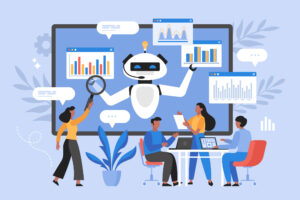
Despite what most say, AI is not replacing marketers, but it is reshaping them. While AI excels at automation, speed, and execution, it still relies on marketers’ expertise for strategy, creativity, and decision making. Combining AI’s efficiency with real judgment makes for the most effective marketing outcomes.
While AI streamlines repetitive tasks and optimizes campaigns, human expertise gives campaigns their brand voice to build relationships, interpret cultural context, and determine what matters to a business. Marketers continue to have a critical role in reinforcing strategy, storytelling, and accountability.
Looking ahead, the future of marketing depends on the systems in place and how AI and marketers can work together to combine efficiency in order to drive more impactful results.
Search, Social, and Retail Media: The Battle For Discovery
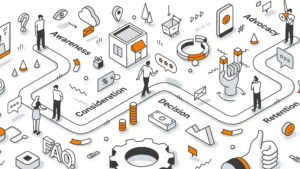
The customer discovery is no longer a linear path. In 2026, it’s a dynamic network of AI-assisted microments that happen across platforms, especially in search, social, and retail media. Your digital marketing success will depend on showing up consistently wherever your audience seeks answers, recommendations, or purchase decisions.
The Evolving Search Landscape
Search is being reshaped by AI-generated answers that often eliminate the need for clicking. As a result, traditional SEO is evolving into visibility mattering even more. Businesses must focus on structure, credibility, and easily interpretable content to ensure they are referenced, recommended, and trusted by AI systems, not just ranking on a result page.
Social Media’s AI Surge
Social media platforms like Meta, TikTok, and YouTube are now drive by AI-powered recommendation engines. Targeting has taken a backseat to content performance, meaning creative quality, speed, and storytelling on the platform are the biggest driving factors for reach. Marketers have less control over audience selection but can influence performance through strong creativity and meaningful engagement.
Retail Media’s Rebound and Rise: Turn Intent Into Action
Retail media networks are rapidly becoming the main performance platforms, fueled by high-intent audiences and rich first-party data. Platforms like Amazon are redefining how brands convert demand into revenue. Retail media networks are no longer optional for commerce-driven brands and have now become a critical part of their marketing strategy.
Putting It All Into Action
In conclusion, digital marketing in 2026 isn’t just evolving, it’s transforming. Automation is redefining workflow, AI is reshaping how your audience finds your business, and CTV and retail media are merging. These technological advancements only become effective when organizations combine them with strategy. Businesses that integrate these shifts into their workflow and strategy will have a real advantage.
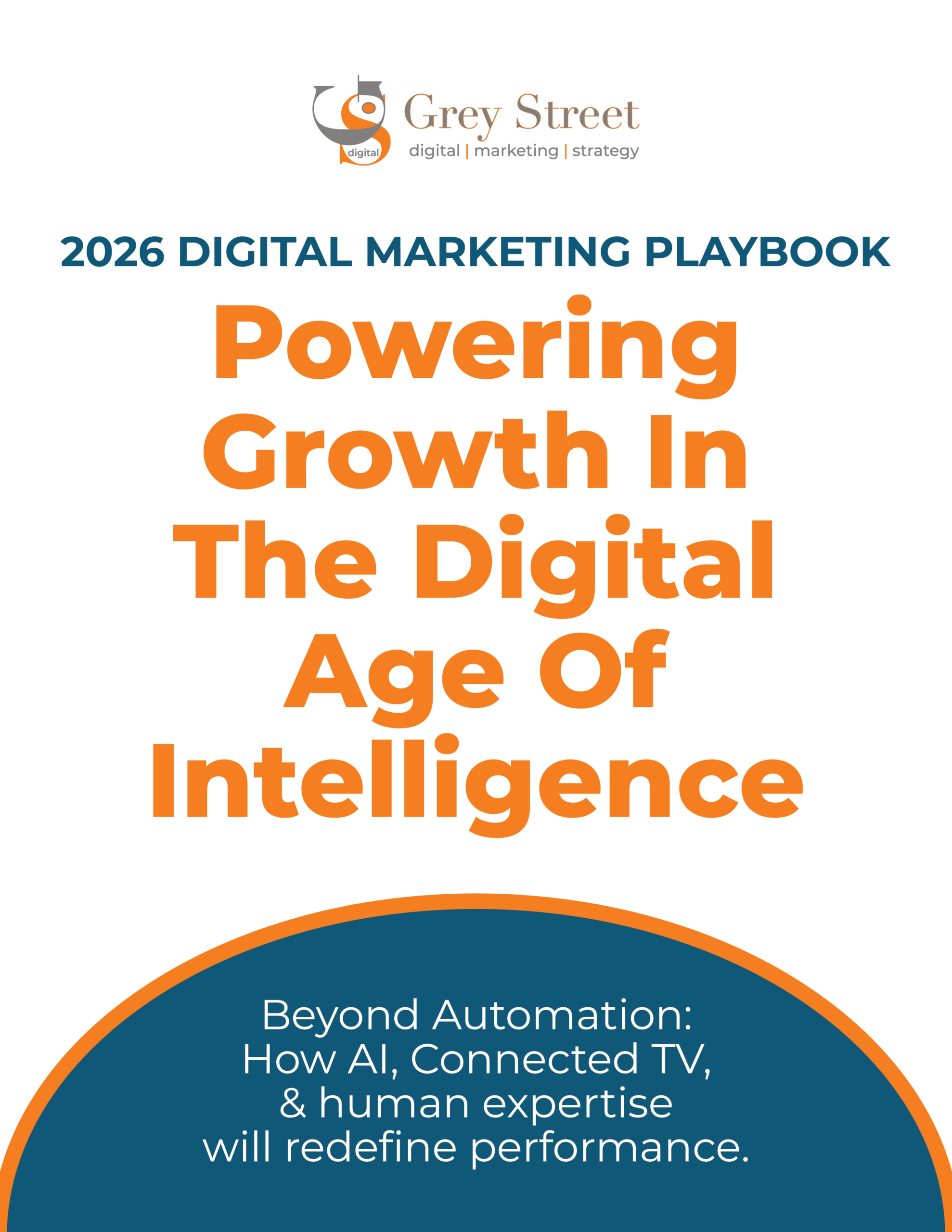
If you want to learn more about the state of digital marketing, then download our 2026 Digital Marketing Playbook.